Collision damage
Identify the current incident and separate any pre-existing damage. A unit number and the vehicle’s make, model and year help keep photos, estimates and approvals associated with the right vehicle.
When a work vehicle is damaged, the driver and the person authorizing repairs may be different people. Start one request per unit with its ID, damage and approval contact. Restart can discuss body and collision work, vehicle acceptance and scheduling before a business vehicle is sent to the shop.
Start an estimateConfirm vehicle size, repair scope and availability before sending a commercial vehicle or arranging a tow.

Scope each damaged vehicle separately, with unit ID, approver and operating constraints. Confirm acceptance and scheduling before transport; submitting photos does not reserve capacity.
A fleet may need a bumper repair on one vehicle and collision work on another. The repair plan should make those differences clear instead of treating every unit as the same job.
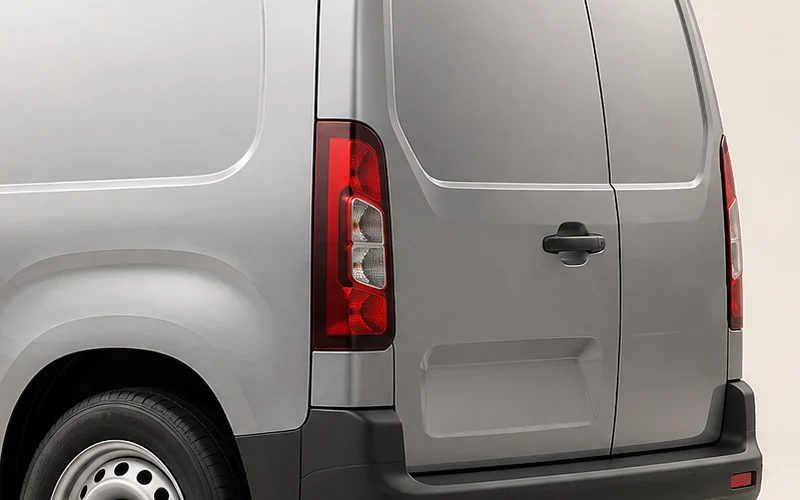
Identify the current incident and separate any pre-existing damage. A unit number and the vehicle’s make, model and year help keep photos, estimates and approvals associated with the right vehicle.
Dents, scratches and paint repairs can be discussed alongside the accident damage or as a separate scope. Mention wraps, decals or other markings; their removal or replacement should not be assumed to be included.
List broken glass, affected doors or other operational concerns in the request. Also describe racks, conversions or vehicle modifications that could affect access or the work.
Name the person who can authorize work, and include any purchase-order or documentation requirements. State which unit can be out of service first. Drop-off order and timing can be discussed only after reviewing each scope, vehicle fit and shop availability; submitting a request does not reserve a slot.
Use a separate estimate request for each vehicle and include its unit number. Mention that the requests belong to the same fleet and name the common contact so they can be discussed together without mixing vehicle records.
Tell us which vehicles are most important to daily operations and your preferred sequence. Staggered drop-offs can be discussed after reviewing scope, parts and shop availability; submitting a request does not reserve capacity.
This page describes body, paint, glass and collision work, not a general maintenance program. For oversized vehicles, specialty bodies or other mechanical needs, confirm vehicle acceptance and the specific work before arranging transport.
Send the first vehicle’s damage photos and identifying details. Put the fleet name, unit number and repair approver in the notes; use a separate request for the next unit.
This starts a preliminary inquiry. It does not confirm repair scope, final price, vehicle acceptance or an appointment.
How your estimate information is handledRestart Collision
North Hollywood, CA is our provisional area context. No visit destination is published. Contact and inspection details are confirmed during manual review; an online request does not reserve an appointment.
Mon–Fri, 8 a.m.–5 p.m. Pacific · Saturday & Sunday closed
Confirm inspection arrangements during review.
Contact guidance